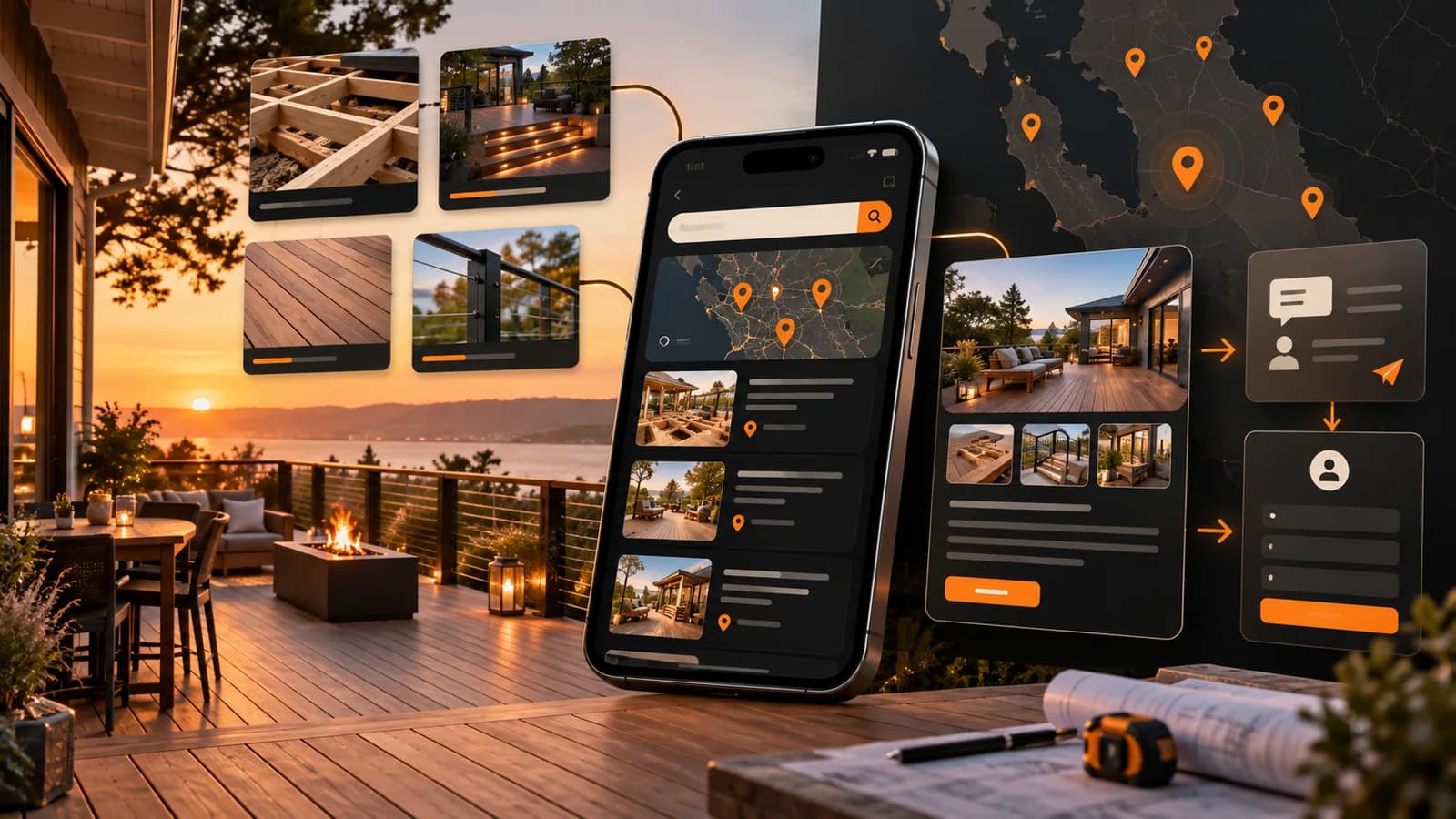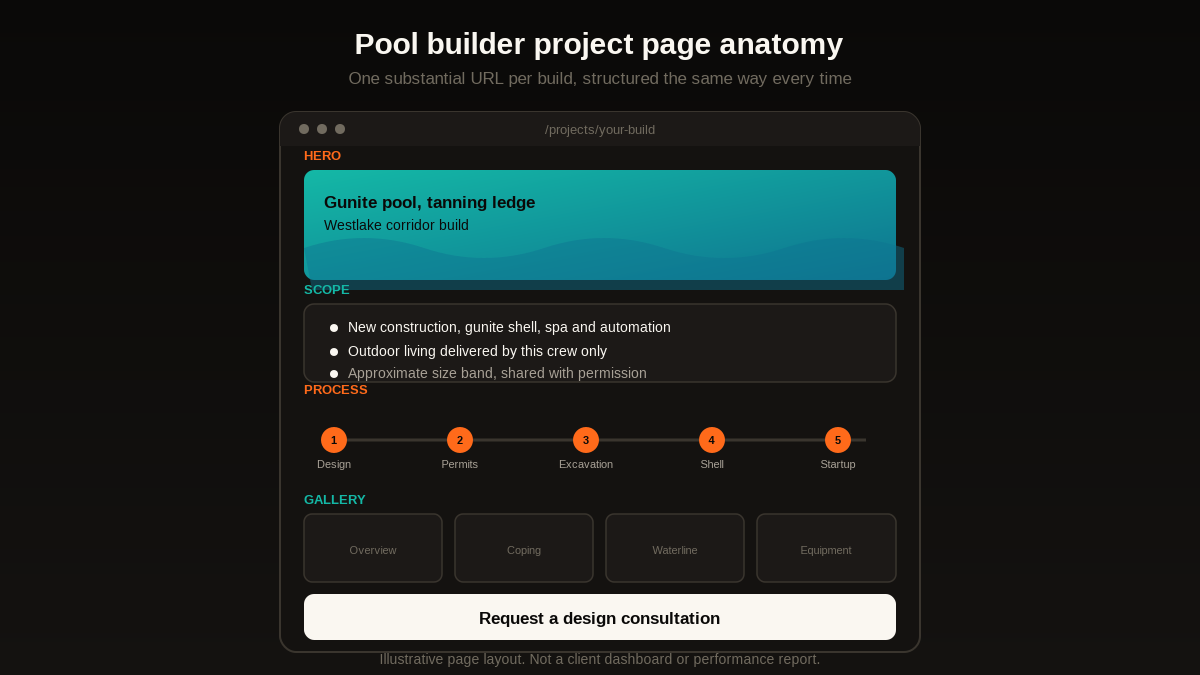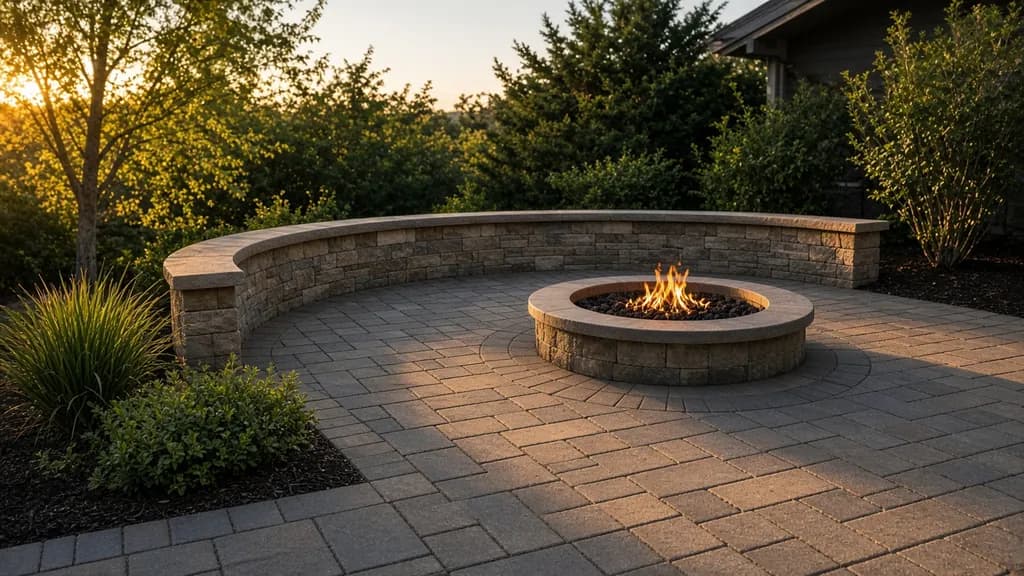
A homeowner searching for a paver patio, a pool deck, a pergola or an outdoor kitchen needs different scope, process and estimate information. If your outdoor living builder website crams all of it onto one services page, every one of those buyers has to dig for the part that answers them, and search has a hard time telling what the page is actually for.
Outdoor living is not one service. A patio buyer wants drainage, materials and a defensible price range. A pool deck buyer wants coping, slip resistance and finished backyards they can picture. A pergola or outdoor kitchen buyer wants structure, utilities and a build timeline. Those are different people asking different questions, and no single page answers all of them well.
Why outdoor living buyers research the page, not the company
High-ticket outdoor living buyers rarely start by shopping for a brand. They start with a build in mind and they read the page that matches it. Search systems evaluate pages and their context, so a focused service page can answer one substantial need while a broader hub connects related work. Choose the structure from useful information and real evidence, not from an assumption that one URL automatically wins a query.
When you force a patio, a pool deck and an outdoor kitchen onto the same page, you dilute every phrase you touch and you ask the reader to do the sorting. A focused page gives you room for service-specific photos, the estimate factors that move cost, and the three or four questions that buyer actually asks before booking a consultation.
One page per build type: patio, pool deck, pergola, outdoor kitchen
Group the site around the build types you actually sell. For most pool builders and deck builders moving into hardscape, that is patios, pool decks and surrounds, pergolas and shade structures, outdoor kitchens and fire features, and retaining or seat walls. Each deserves its own page with its own photos, its own scope language and its own estimate frame, because the buyer landing on it does not want to hunt through a generic outdoor living overview.
Prioritize the build types the company can document and the coverage it can fulfill. A real project story is useful evidence, but it is not a guarantee that one page outranks another. Add pages only when distinct questions and genuine proof justify them.
Website design built around service pages that rank, not just look good.
See how we structure outdoor living sitesThe internal-linking silo: service to service-area to project and back
The structure only works when the pages link to each other so Google can learn the hierarchy. Your patio service page links down to patio pages for each town you serve, each town page links back up to the main patio page and sideways to your pool deck or pergola work in that same town, and both link out to the project pages that prove the build. Stone and paver crews can organize the same way on a masonry contractor website, and the site-prep and grading teams that set a patio base can structure their pages the same way on an excavation contractor website.
Internal links are how a crawler maps your whole service area without you templating the same page for every town. They also route a reader who landed on a pergola page toward the outdoor kitchen they will likely want next, which keeps the visit on your site and pointed at a consultation.
What a winning outdoor living service page actually contains
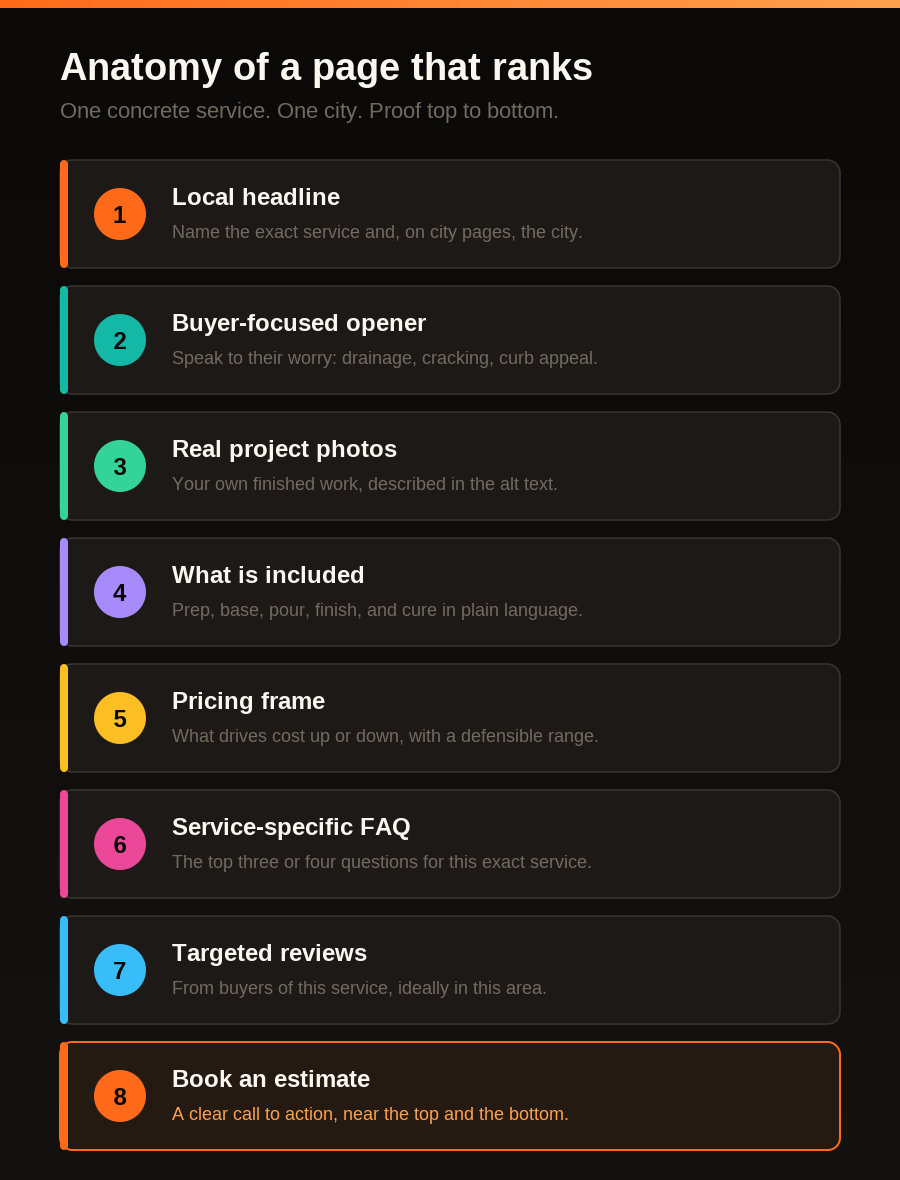
Write enough to answer the buyer, with useful scope and project evidence. Google publishes no preferred word count. The structure below is an editorial starting point, not a ranking requirement.
- A headline naming the exact build and, on service-area pages, the town.
- A short opener that speaks to that buyer's real worry: drainage, slip resistance, shade, utilities or curb appeal.
- Real photos of your own finished work for that build, not stock images.
- What is included: prep, base, structure, surface and finish in plain language.
- An estimate frame: what drives cost up or down, and a defensible range if you offer one.
- Answers to the top three or four questions for that build, as a short FAQ.
- Reviews from buyers of that exact build, ideally in that area.
- A clear call to book a consultation, repeated near the top and bottom.
Turn each finished build into a titled, searchable project page
Outdoor living is visual, so your finished builds are your strongest asset. Write up a standout project as its own page with a descriptive title that names the build, the materials and the town, so a search like a paver patio and outdoor kitchen in a specific suburb has a real page to match. A gallery with no titles and no context hides that work from both the buyer and the crawler.
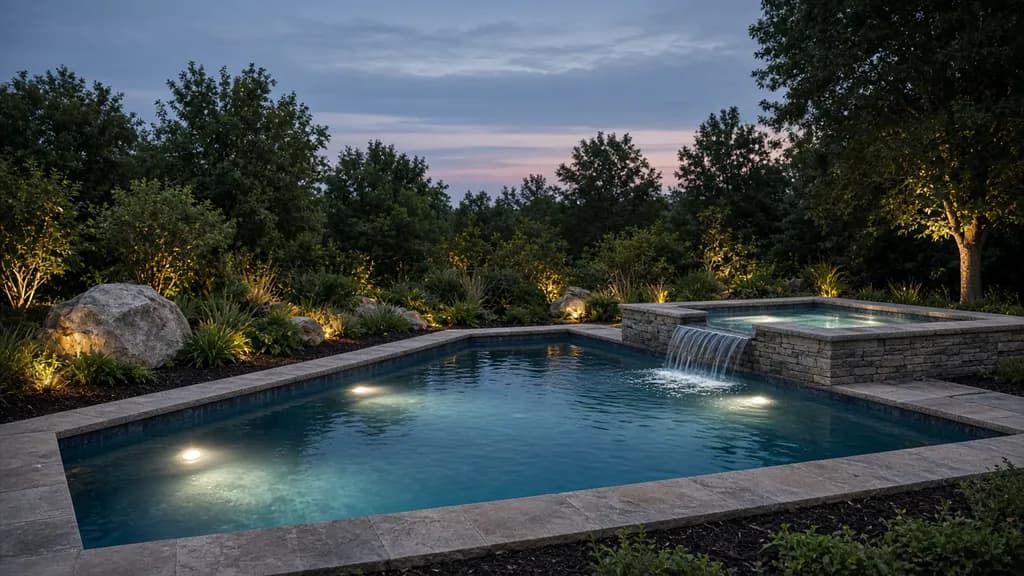
“The builder with fifty real backyard photos beats the builder with a slicker logo every time. Buyers are not shopping for a brand. They are shopping for proof you can build the thing in their yard.”
Photograph real work with permission and use captions that describe it accurately. Alt text should explain the image without forced service or place-name repetition. A posting schedule and geotags are not established ranking requirements, so treat them as housekeeping, not leverage. Pool builders can take the project page further with the deeper build-out in our pool builder project pages guide.
Profile accuracy, service and location information, project evidence and qualified inquiry measurement.
Review the Local SEO service scopeBuild core silos first: avoid thin service-city sprawl
The fastest way to waste this structure is to spin up a page for every build crossed with every town and fill them with the same copy and a swapped place name. Near-identical pages give buyers little value and leave the site with an unclear purpose. Separate pages by real build, operating or project differences first, then consolidate the overlap.
- Use permissioned projects, photos and authentic reviews where they accurately support the build or area.
- Use verified local conditions and authoritative guidance; do not invent place-specific concerns, demographics or costs.
- Avoid pages that change only the town name while repeating the same information.
- Build a service-area page when genuine coverage and distinct, useful information support it.
- Give each page a clear buyer purpose and link related builds and locations where it helps the reader.
Check indexing, page purpose, local information, mobile usability, evidence, links and measurement.
Diagnose an outdoor living website visibility problemWhere website architecture stops and local SEO begins
Service-page architecture earns the organic result. The map result is a separate system that runs on an accurate profile, genuine coverage and steady reviews. The two reinforce each other, so pair this build-out with the local playbook rather than treating them as the same job. Hardscape crews can start on the local side with our hardscaping local SEO guide, and deck builders can line it up with local SEO for deck builders.
How fast this compounds depends on how competitive your market is, how strong your profile and reviews already are, and how many real builds you can document. A company with a decade of projects to write up moves faster than one starting cold. The direction is the same either way: separate pages, real photos, steady reviews and compounding results.
Where to start this week
You rarely need a full rebuild. Pick one build type from actual demand, contribution, proof and buyer questions, then improve its page with permissioned photos, authentic reviews, accurate scope and a clear consultation path. Add a service-area page only when genuine coverage and distinct information justify it, then measure that cohort before you expand.
A straight breakdown of pricing so you know what a real program runs.
See what contractor SEO should costAccurate categories, services, hours, coverage, photographs and customer feedback for an eligible profile.
Review the contractor profile guideOutdoor living work is visual and local, so show real builds, explain the substantial differences between services and state genuine coverage. Keep the site navigable, link the silo together and measure which pages assist qualified consultation requests.
Review services, operating areas, project evidence, page overlap and inquiry measurement.
Book an outdoor living visibility reviewSources and further reading
- Google Search: SEO Starter Guide
Crawlable links, descriptive page information and content organization. Practical trade examples are SF Web Tech recommendations.
Source checked .
- Google Search: creating helpful content
People-first writing, useful original information and the absence of a preferred word count. Does not substantiate a client result.
Source checked .
- Google Maps: prohibited and restricted content
Rules against fake engagement, incentives and selectively soliciting positive reviews.
Source checked .