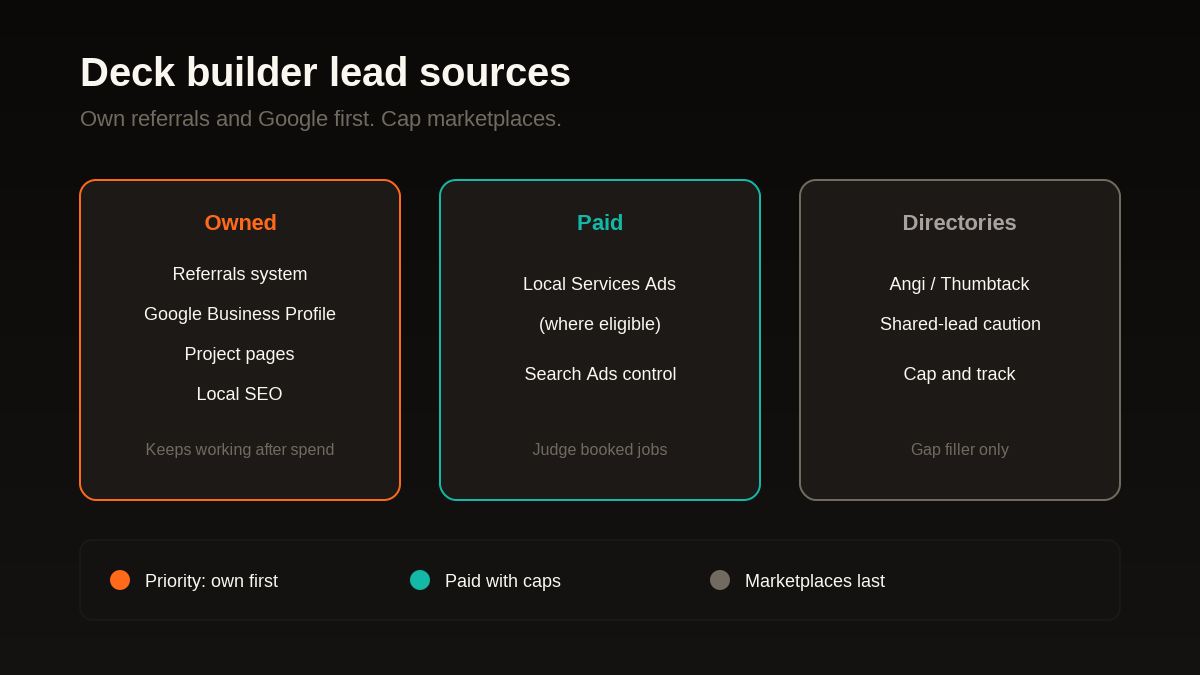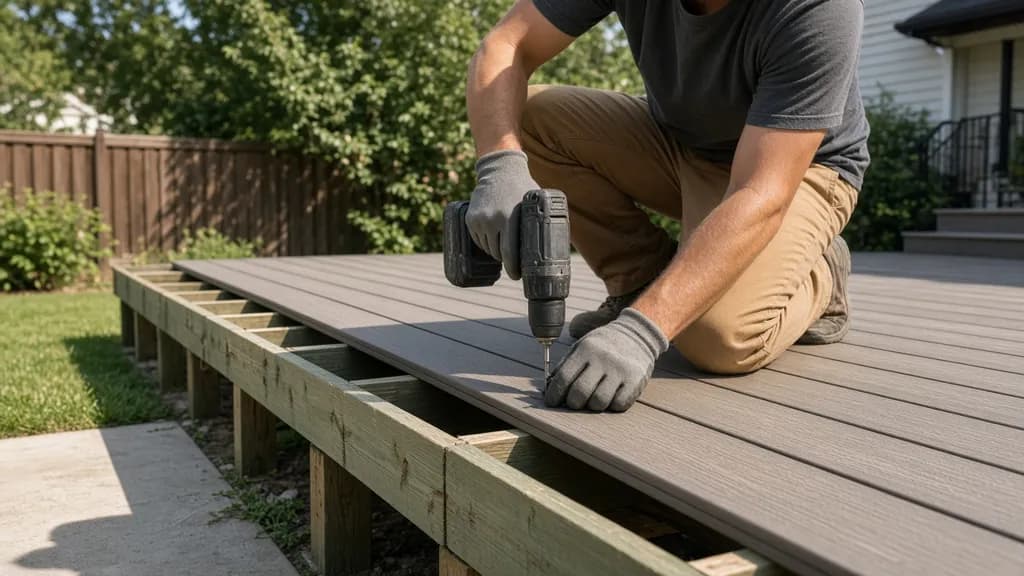
Some deck campaigns look busy and still miss signed builds. Clicks arrive. Forms fill. Then the estimator discovers board shoppers, homeowners pricing a quick restain, DIY researchers, and people who typed deck meaning something else entirely. The word deck is one of the most ambiguous searches a contractor can bid on, and paid search will happily spend on all of it.
A high-ticket deck build, the kind that needs footings, excavation, permits, and framing, is a different sale from a repair or a box of composite boards. If the account treats every deck search as equal, the budget meant for build-ready projects drains into browsing traffic. This article keeps the original URL as a bridge, then applies the discipline to deck builders: filter the ambiguous search, qualify the work, and measure signed builds.
For structuring the account itself, see how deck builders should structure Google Ads. Paid search scope sits on Google Ads management. Organic context for the trade lives on deck builder SEO.
Why qualification beats chasing cheaper clicks
Auction costs rise when planned and casual intent compete for the same term. A homeowner researching deck stain colors and a homeowner planning a two-level deck with footings both search deck. A cheaper click that never becomes a staffed site visit is still waste, and on a high-ticket build the cost of a wasted visit is measured in estimator hours, not clicks.
Do not treat a published industry average as your number. Build budgets from your own job values, close rates, crew capacity, and Keyword Planner forecasts for your area. Numbers that worked for a repair-focused shop in another market will not tell you what a build-ready lead is worth to you.
Anchor the ambiguous deck search with negatives
Open a date range with enough spend to decide. Sort by cost and by conversion. The job of the deck account is to separate build-ready searches from everything else the word deck also attracts:
Build-ready work you want
- New deck construction and full rebuilds
- Elevated, multi-level, or structural decks that need footings and excavation
- Composite or hardwood upgrades on a new frame
- Permitted additions such as covered decks, pergolas, and attached structures
- Brand
Lower-value or wrong intent
- Deck repair, reseal, restain, or board replacement you do not chase
- Decking boards, railing, and material for sale
- DIY plans, kits, and how-to searches
- Pitch decks, card games, and other non-construction uses of the word
Common waste buckets for any deck account:
- DIY and how to intent
- Jobs, hiring, salary, apprentice, school
- Materials, boards, and railing for sale
- Free, cheap, used when those buyers never hire a builder
- Services you do not sell, such as pool decks if you only build wood and composite
- Wrong geography
- DIY and how to intent
- Jobs, hiring, salary, apprentice and school searches
- Materials, boards and railing for sale
- Free, cheap or used searches when those buyers never hire a builder
- Services you do not sell
- Wrong geography
Confirm intent before you exclude a useful variation. Deck repair can occasionally lead to a full rebuild, so decide deliberately whether you want that traffic. Keep a change log so later performance can be attributed to the exclusions you made.
Site-visit honesty on the landing page and in the ad
Build-ready work fails when ads promise outcomes the visit cannot guarantee. Deck builders see this with firm quotes advertised before anyone has seen the grade, the soil, the access for excavation, or the condition of an existing structure. A number promised online becomes an argument on site.
Be explicit:
- What the site visit covers and who attends
- What requires measuring footings, checking grade, or assessing excavation access on site
- What financing or payment options you are authorized to describe
- What permitted means for the structures you build, and who pulls the permit
Show only licenses, manufacturer certifications, and financing partners you can stand behind. Vague urgency or firm prices in the ad create frustrated calls, not booked builds.
Financing clarity without invented rates
A new deck is a considered purchase, and buyers ask about payment paths. Answer with authorized options only. Do not invent APR ranges, approval odds, or everyone qualifies claims. If financing runs through a partner, say a third party decides credit. If you offer staged payments, spell out the milestones.
Track how many qualified leads ask about financing so the landing page and the sales script stay aligned. If most build-ready buyers ask and the page is silent, the page is losing them before the call.
Offline conversion tracking for signed builds
For most deck builders the phone and the in-home visit carry the sale, not the form. Use call tracking with a minimum duration that reflects a real build conversation. Then import signed builds or booked site visits from the CRM inside Google's import window so bidding learns from sold work, not hangups.
Report branded and non-branded inquiries separately when attribution allows. Branded traffic can include past customers and referrals who were always going to call, which flatters a campaign that did not earn them.
Split campaigns the way the work splits
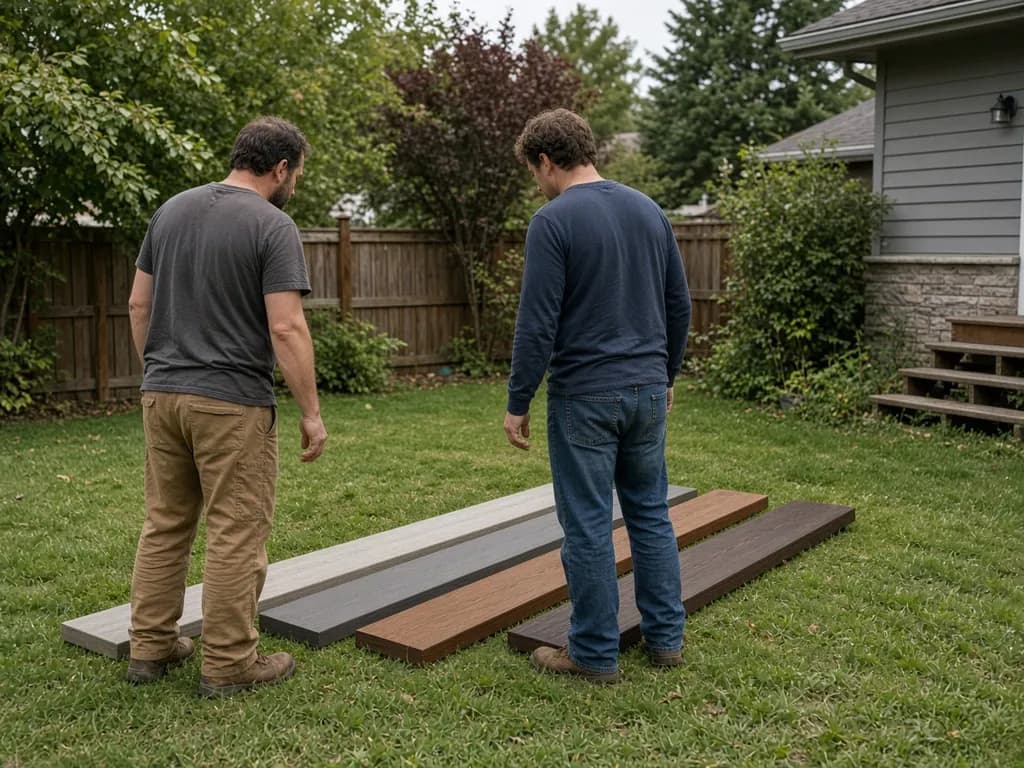
One catch-all campaign lets cheap repair and material traffic eat the budget meant for full builds. Split by intent and job value. Match ad schedules and call assets to the hours your office actually answers. Use presence-based location targeting around the radius your crews genuinely travel for excavation and framing.
Local Services Ads, where eligible, can sit beside Search for ready-to-call local demand. Ranking and lead quality still depend on reviews, responsiveness, and how you qualify contacts. For the full account build, read how deck builders should structure Google Ads.
A practical qualification playbook
- List the builds you want more of and the repair or material searches to exclude
- Review search terms on a spend-supported cadence
- Build shared negative lists for DIY, boards, jobs, and the non-construction meanings of deck
- Align ad copy and landing pages with the real site-visit scope
- State financing and certifications only when authorized
- Track calls with a real minimum duration
- Import signed builds or booked site visits for bidding
- Judge cost per booked build, not cost per click alone
- List the builds you want more of and the searches to exclude
- Review search terms on a spend-supported cadence
- Build shared negative lists for DIY, boards, jobs and wrong meanings of deck
- Align ad copy and landing pages with the real site-visit scope
- State financing and certifications only when authorized
- Track calls with a real minimum duration
- Import signed builds or booked site visits for bidding
- Judge cost per booked build, not cost per click alone
How this ties back to organic
Paid search sits next to the Map Pack and organic results. The same reviews, project photos, and service pages that support Ads also support deck builder SEO and your local visibility. Compare Ads, SEO, or both using timing, crew capacity, and signed work rather than clicks.
Peak build season needs prepared campaigns
Deck demand compresses into the building season. Homeowners who browsed all winter book consultations the first warm weekend, and every builder in the market is bidding at once. Build the peak campaign while things are quiet. Keep it paused until weather, capacity, and call history say to turn it on.
Waiting until phones ring means writing ads and negatives while competitors are already live. Prebuild ad groups, assets, and landing page variants. Document who can raise budgets and who answers the overflow line during the rush.
Qualify on the phone the same way the ad qualifies
Ads and landing pages set expectations. The first human contact has to keep them. Script a short qualification block:
- Build type, scope, and whether footings or excavation are likely
- Address or service area check
- Financing questions answered with authorized options only
- Next step: in-home site visit, virtual photo review, or design consult
If the inquiry is a board shopper, a repair you do not take, or a DIY researcher, exit politely and log the reason. Those notes feed the next negative keyword pass.
Ready to tighten a deck builder Ads account?
SF Web Tech works with high ticket trades: roofers, pool builders, deck builders, remodelers, and custom home builders. The useful next step is a deck builder account review focused on build-ready work.
Sources and further reading
- Google Ads: negative keywords
Negative keyword behavior and exclusions. Suggested service exclusions need account-specific review.
Source checked .
- Google Ads: advanced location options
Presence and interest settings and limits of geographic targeting accuracy.
Source checked .
- Google Local Services Ads: getting started
Eligibility, lead handling and verification. Platform lead-billing criteria differ from a contractor sales qualification.
Source checked .
- Google Ads: offline conversion imports
Importing offline conversions so bidding can learn from booked work.
Source checked .