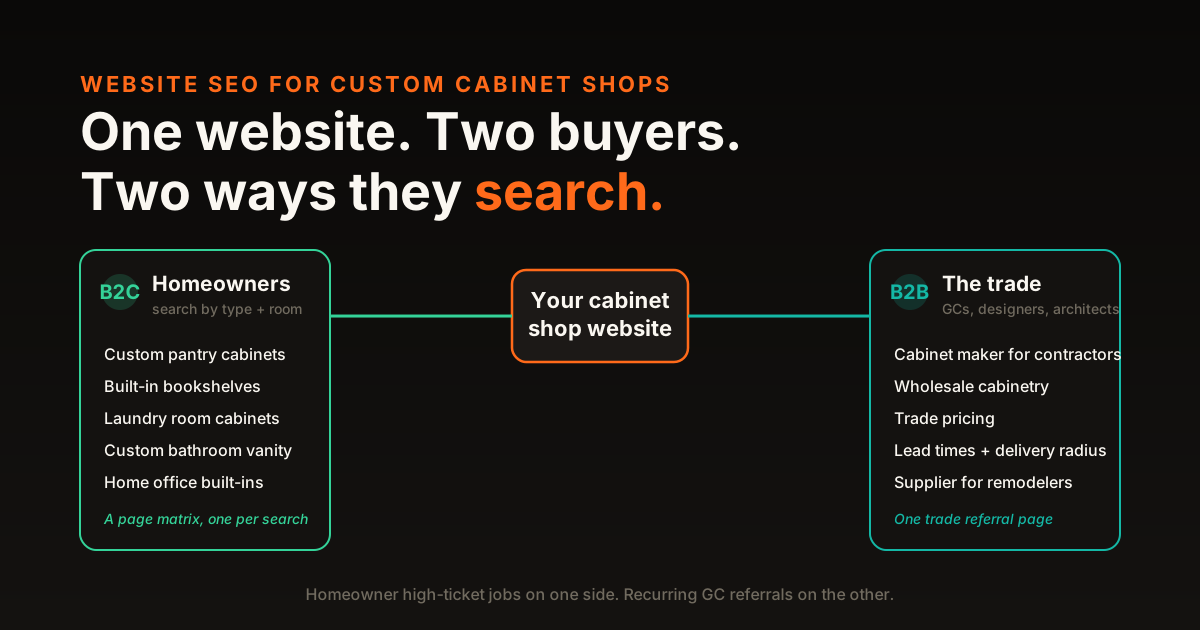
A homeowner in your city spends three weeks reading about built-in bookshelves before she ever fills out a form. She searches "custom built-in bookshelves" with her city name. She searches "laundry room cabinets" with her city name. She searches "custom pantry cabinets near me." Your shop builds all three, beautifully. But your website has one page called Kitchen Cabinets, so Google never shows you for a single one of those searches. She hires the shop three towns over that had a page for exactly what she typed.
That is the whole problem in one sentence. Custom cabinetry is a high-ticket, long-research purchase, and your buyers search by the specific thing they want built. Your website has to match that, page for page. Most cabinet shop sites do not, and no generic contractor SEO playbook will tell you why.
Cabinetry scope can range from one built-in to a larger room project. Show how the shop develops an estimate and distinguish homeowner consultations from trade inquiries. Use your own project records when explaining prices or lead times, with clear assumptions and a date.
The two SEO failures unique to cabinet shops
Generic contractor SEO advice tells you to build a homepage, an about page, a gallery, and a contact page, then blog once a month. Follow it and you will still lose, because custom cabinetry has two failure modes that plumbers and roofers do not share.
Fix both and you own a lane almost no competitor is running in. Custom millwork is one of the only home-service trades with a real dual channel: homeowners on one side, the professionals who feed you recurring referral work on the other. They do not search the same way, and they do not land on the same page.
Failure one: the single Kitchen Cabinets page
Search intent for cabinetry splits along two axes at once: what is being built, and where it goes. "Kitchen cabinets" is one point on that map. Here is what the rest of the map looks like when real buyers type it into Google:
- custom pantry cabinets [city]
- built-in bookshelves [city]
- laundry room cabinets [city]
- bathroom vanity custom [city]
- mudroom bench and cubbies [city]
- home office built-ins [city]
- garage cabinets custom [city]
- custom closet cabinetry [city]
A pantry, vanity and bookshelf buyer may need different examples and specifications. Create separate pages when the shop has enough distinct work and useful detail to support them. A broader cabinetry page can still be useful; the objective is a clear customer journey rather than a URL for every phrase.
Organize substantial room or cabinet-type pages under a clear cabinetry hub. Each should show relevant work, scope options and a way to inquire. Keep overlapping content together when splitting it would produce several thin pages.
Build the cabinet-type and room service page matrix
The play is a dedicated service page for each cabinet type and room you actually build for. Not one mega-page with anchor links, real pages with their own URL, title, photos, and FAQ. Start with the eight below, then add or drop based on what you build most.
Potential topics include kitchens, pantries, bathroom vanities, laundry storage, mudrooms, bookshelves and office or garage built-ins. Prioritize actual demand and work the shop can document. These are service examples, not claims about search growth, margins or competition.
Each page needs the same skeleton so buyers and Google both know what they are looking at: a headline naming the exact cabinet type and your city, a short section on materials and construction, real photos of that specific work, a plain-language note on lead time and rough price range, and three to five FAQs pulled from the questions you actually get asked on those jobs.
The structure, the pages, and the content, done for you.
See how our Website SEO service builds page matricesFailure two: ignoring the contractor referral channel
Here is the play almost every cabinet shop leaves on the table. General contractors, remodelers, interior designers, and architects buy cabinetry constantly, on behalf of their clients, as part of larger jobs. They are not homeowners. They do not search "custom pantry cabinets." They search like the professionals they are:
- custom cabinet maker [city] for contractors
- wholesale cabinetry [city]
- trade pricing custom cabinets [city]
- cabinet supplier for remodelers [city]
- custom millwork for designers [city]
This channel is recurring in a way the homeowner channel never is. A homeowner buys a kitchen once a decade. A busy remodeler sources cabinetry for a dozen projects a year, every year, and sends the same referral loop back to whoever made their last job easy. Win one good GC and you have not won one job, you have won a pipeline. But if your entire website talks only to homeowners, that GC lands, sees nothing built for how they buy, and moves on.
The contractor referral landing page that actually converts
Homeowners want to see beautiful finished kitchens. Contractors want to know you will not blow up their project timeline. The trade page has to lead with the trust signals a GC or designer actually cares about, the ones a homeowner-only site never bothers to publish:
- Realistic lead times, stated plainly, so they can schedule around you
- Material and construction specs their client or architect will ask about
- Delivery radius and whether you handle install or drop-ship
- Trade pricing terms and how to open a trade account
- A named contact for trade inquiries, not a generic form
- Proof you have run alongside other GCs and stayed on schedule
“A homeowner-only cabinet site sells one kitchen at a time. A site with a real trade page builds a referral loop that feeds itself for years.”
The same page-per-intent logic, from the GC side of the table.
How contractors structure winning service pagesStructure it so pages help each other, not compete
The fear with a lot of pages is cannibalization, two of your own pages fighting for the same search. It is avoidable. The rule: one clear buyer and one clear search per page, and a link structure that tells Google how they relate.
- Give each type-and-room page its own primary search, no overlap
- Link every service page back up to a single Custom Cabinetry hub page
- Keep the homeowner matrix and the trade page in separate navigation groups
- Point the trade page at your specs and lead times, not your homeowner galleries
- Use one consistent city and service-area section across every page
Use authorized project photographs with captions explaining materials, layout decisions and scope. They help a prospective customer evaluate fit. Photographing more jobs is useful documentation, not a guaranteed ranking multiplier.
Matrix structure, trade page, and galleries built to rank and close.
See how we design cabinet shop sites that convertWhat to do this month
You do not need forty pages by Friday. You need to start the matrix and stand up the trade page. Work in this order:
- List every cabinet type and room you actually build, then rank them by how often you get asked
- Build the top three type-and-room pages first, each with its own photos, lead time, and FAQ
- Stand up one contractor referral page with lead times, specs, delivery radius, and trade terms
- Add a named trade contact and a simple way to open an account
- Connect every page to a single Custom Cabinetry hub so Google sees the structure
- Photograph and add every new finished job as you complete it
A useful website can support both homeowner inquiries and trade relationships. Measure the quality of those opportunities separately and expand the content only where the shop has evidence and capacity to serve the audience.
We will map your matrix and trade page in 30 minutes.
Book a call about your cabinet shop's SEOSources and further reading
- Google Search: SEO Starter Guide
Crawlable links, descriptive page information and content organization. Practical trade examples are SF Web Tech recommendations.
Source checked .
- Google Search: creating helpful content
People-first writing, useful original information and the absence of a preferred word count. Does not substantiate a client result.
Source checked .