A storm dumps three inches on your metro overnight. By 6 a.m. hundreds of homeowners are standing in an inch of water in their basement, phone in hand, typing 'water in basement' and 'basement flooding who to call.' Your Google Ads account is running the exact same bid it ran last Tuesday when the sky was clear. Worse, every click you win lands on your homepage, next to a slider of your logo and a phone number, and the homeowner bounces to the next contractor. You just paid a premium price for the highest-intent moment of the year and threw it away.
Basement waterproofing is one of the most expensive keyword categories in all of home services. Reported click costs from agency case studies run steep, with some accounts seeing clicks near the top of the entire home-service range. Pay that much for traffic, dump it on a generic site, and you will conclude that Google Ads does not work for waterproofers. It works. You are just running it like a plumber pricing a 30-dollar drain clog, when your average ticket is a five-figure structural job.
Why waterproofing clicks punish sloppy campaigns
Three forces stack on top of each other to make your clicks brutal. The searcher is panicked and price-blind in the moment, so competition for the keyword is fierce. The problem is scary and structural, so national brands and franchises bid hard on it. And the ticket is large, so every competitor can justify a high bid on the math. You are bidding against people who have run the numbers and know a single job pays for a lot of wasted clicks.
Budget from actual job economics and qualified-lead data. Weather can affect inquiries, but there is no universal post-storm bidding window or waterproofing job value. Local Services Ads should be considered only where the actual business and service are eligible.
Rain-triggered dayparting: bid to the sky
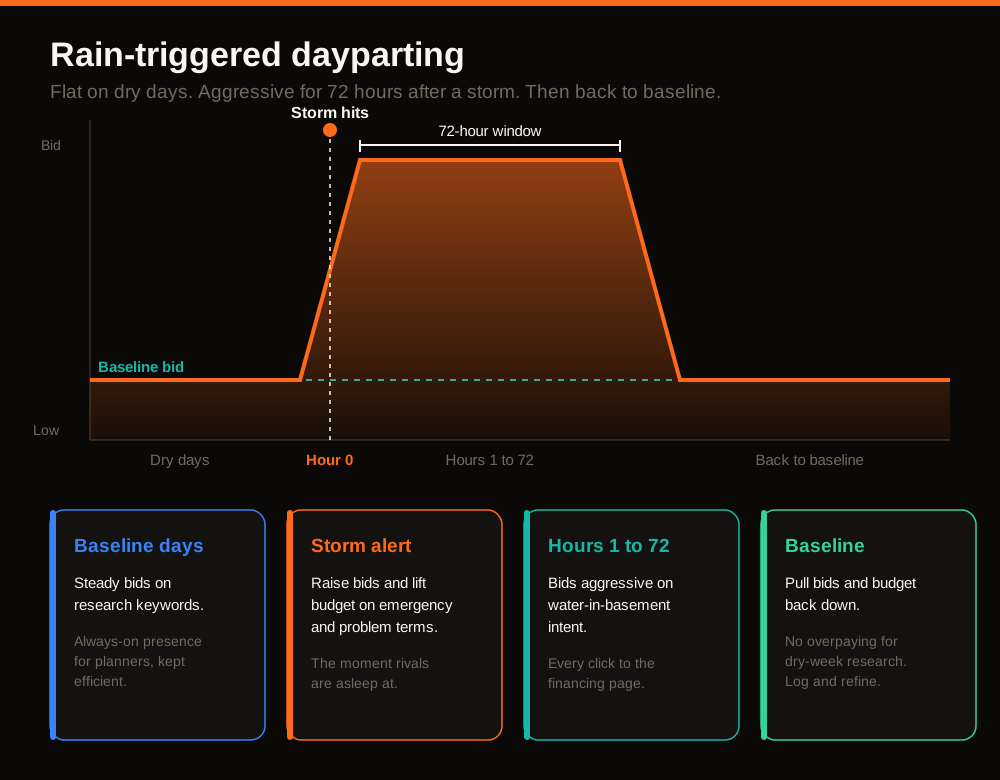
Dayparting is adjusting your bids by time of day. Rain-triggered dayparting is adjusting them by weather. The principle is simple: the value of a click is not constant. A 'basement waterproofing' click on a dry week is a researcher comparing quotes for a project they might do next spring. The same click 12 hours after a regional storm is a homeowner with standing water who wants someone on site today. One is worth a modest bid. The other is worth your top bid, and you should be willing to pay for it.
You do not need a fancy API integration to start. You need a weather habit and a fast hand in the account. When a significant rain or snowmelt event is forecast for your service area, you raise bids and budgets on your emergency and problem-aware keywords for a defined window, then pull them back to baseline once the spike passes. Contractors who watch the radar and move budget the same morning capture the panic searches their slower competitors are still bidding flat against.
If weather changes inquiry volume, review actual capacity, search terms and qualified opportunities before changing spend. Keep within the agreed budget controls. There is no universal 72-hour window or requirement to route every visitor through financing.
The homepage is where your clicks go to die
A homeowner needs to understand how the contractor assesses the concern, develops a scope and provides an estimate. Explain financing only when actually offered, using current provider-approved terms. Do not promise affordability, structural findings or loan approval from an initial inquiry.
So build a dedicated landing page for paid traffic, and make financing the spine of it. Lead with the outcome, a dry basement, then immediately reframe the price as a monthly payment. 'Fix it from about the price of a phone bill each month' moves a scared buyer off the ledge in a way that 'call for a free quote' never will. The job is the same size either way. The perceived risk is not.
- One job: convert the panic click
- Headline names the fear and the fix
- Monthly-payment framing above the fold
- Financing calculator or payment estimate
- Storm-damage photos and a clear next step
- Click-to-call plus a short form, nothing else
- Ten jobs: about us, careers, blog, services
- Logo slider and a mission statement
- Total price hidden behind 'request a quote'
- No mention of payment plans
- Navigation menu inviting the visitor to wander
- The buyer bounces to the next contractor
“A five-figure repair is not an impulse buy. When you show a scared homeowner a monthly payment instead of a lump sum, you are not discounting the job. You are removing the one objection that was going to send them to your competitor.”
Campaign structure, dayparting, and landing pages built for high-ticket home-service jobs.
See how we build Google Ads for contractorsLocal Services Ads: the pay-per-lead lane
Compare eligible Local Services Ads with Search using actual qualified inquiries, costs and appointments. Verification requirements, badges and credit processes can change. Check the current account rules rather than assuming every contact qualifies for a refund or meets your own lead definition.
Confirm eligibility and verification before planning an LSA launch. Keep the profile accurate and review charges under the current platform process. A platform-billed lead and a qualified opportunity under the contractor’s sales criteria are not necessarily the same thing.
Build the system in five steps
Separate urgent assessment requests from longer-term planning when the budget supports that structure. Use a service-specific page with an honest process and clear contact route. Review capacity and inquiry evidence after weather events before changing spend, and keep any financing claims tied to current approved terms.
Track media and management costs, qualified inquiries, signed work and contribution. A large contract value does not automatically make an expensive click profitable. Use actual close rates and fulfillment costs before deciding whether to scale.
None of this requires a bigger budget than you already run. It requires spending the budget on the right intent at the right moment, and landing it on a page built to close a large, scary purchase. The waterproofers who lose money on Google Ads are not unlucky. They are bidding flat against the weather and sending panic to a homepage. Fix those two things and the same clicks that were bleeding you start paying for trucks.
We build the storm triggers, the financing page, and the tracking so you just answer the phone.
Want the campaign built for you?The same high-ticket, high-intent playbook for the trade next door.
Read: Google Ads for foundation repair companiesWhere paid search fits alongside organic for a durable pipeline.
Compare: contractor SEO versus Google AdsSources and further reading
- Google Search: SEO Starter Guide
Crawlable links, descriptive page information and content organization. Practical trade examples are SF Web Tech recommendations.
Source checked .
- Google Ads: keyword matching options
How keyword match types relate to search intent; account strategy and examples are editorial recommendations.
Source checked .
- Google Ads: negative keywords
Negative keyword behavior and exclusions. The suggested service exclusions require account-specific review.
Source checked .
- Google Ads: advanced location options
Presence and interest settings and the limits of geographic targeting accuracy.
Source checked .
- Google Ads: average daily budgets
Platform budget and spending mechanics, not a trade-specific CPC or lead-cost forecast.
Source checked .
- Google Local Services Ads: getting started
Eligibility, lead handling and verification. Platform lead-billing criteria differ from a contractor’s sales qualification.
Source checked .
- Google Local Services Ads: Google Verified badge
Current badging and discontinuation of the former Google Money Back Guarantee.
Source checked .